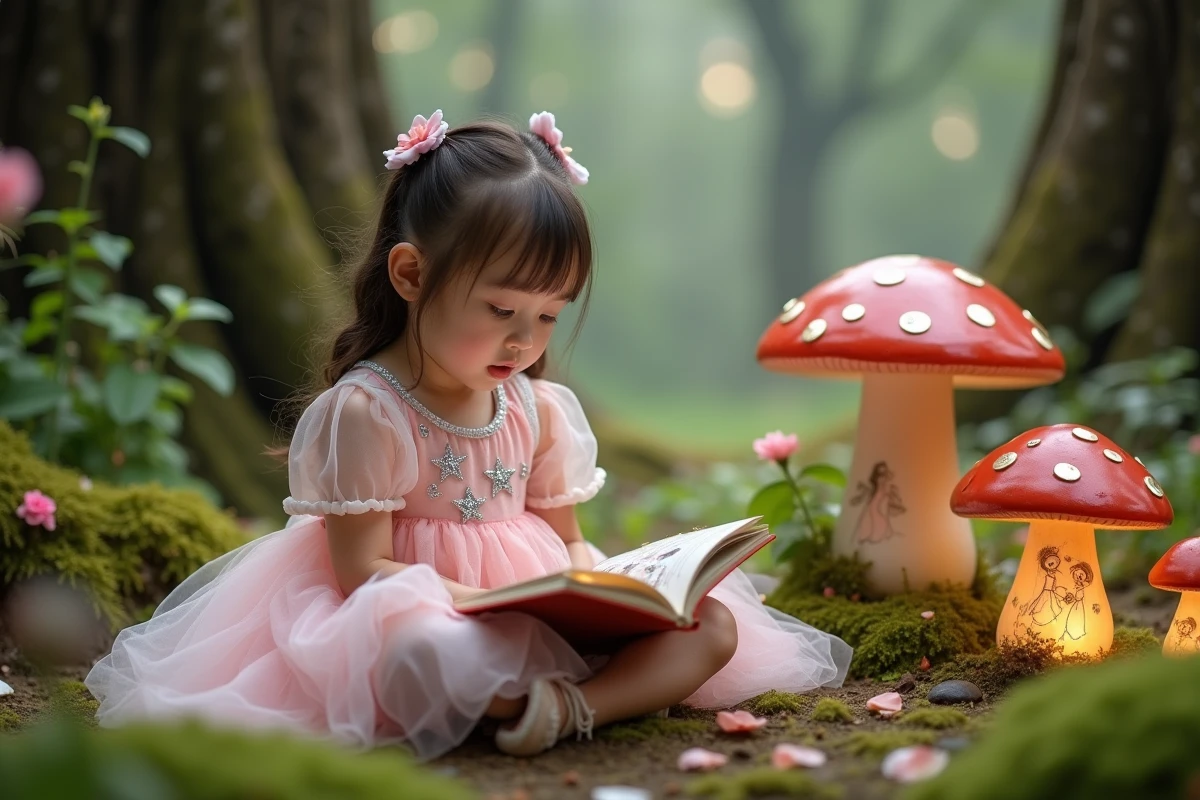
Fairy activities for children are no longer limited to a clown show followed by a cake. The market for magical play and themed entertainment has been structured around specific formats, with playful mechanics borrowed from board games, creative kits tailored by age group, and sensory devices designed for inclusion.
Understanding these formats allows for the creation of a magical universe for children that stands the test of time, whether in a park, at an event, or at home.
Sensory design of a fairy space: light, sound, and activity cycles
A magical universe for children primarily relies on coherent sensory design. The trend of inclusive parks, such as those that incorporate quiet spaces and soft lighting, has shown that a fairy environment does not mean an overload of stimuli. We recommend working on three simultaneous axes.
The first: light management conditions immersion. Soft lighting with slow chromatic variations (purple, blue, gold tones) creates a storybook atmosphere without overwhelming sensitive children. Strobe lights or bright neon lights should be avoided in a fairy area.
The second axis concerns sound. A background sound of ambient music, at a low volume, works better than an imposed narrative soundtrack. Some spaces provide music-free zones for neurodivergent children, an approach that can be directly applied to a magic workshop or a potion corner.
The third axis, often overlooked, focuses on short activity cycles. A child aged four to six can maintain attention on an immersive task for about ten minutes. Structuring a fairy pathway into brief sequences (workshop, free exploration, sensory break) prevents saturation and maintains the element of surprise. To discover the children’s space of Licorne Cosmique, this sequencing logic is reflected in how themed universes are designed by age group.
Fairy board games: playful mechanics and age group
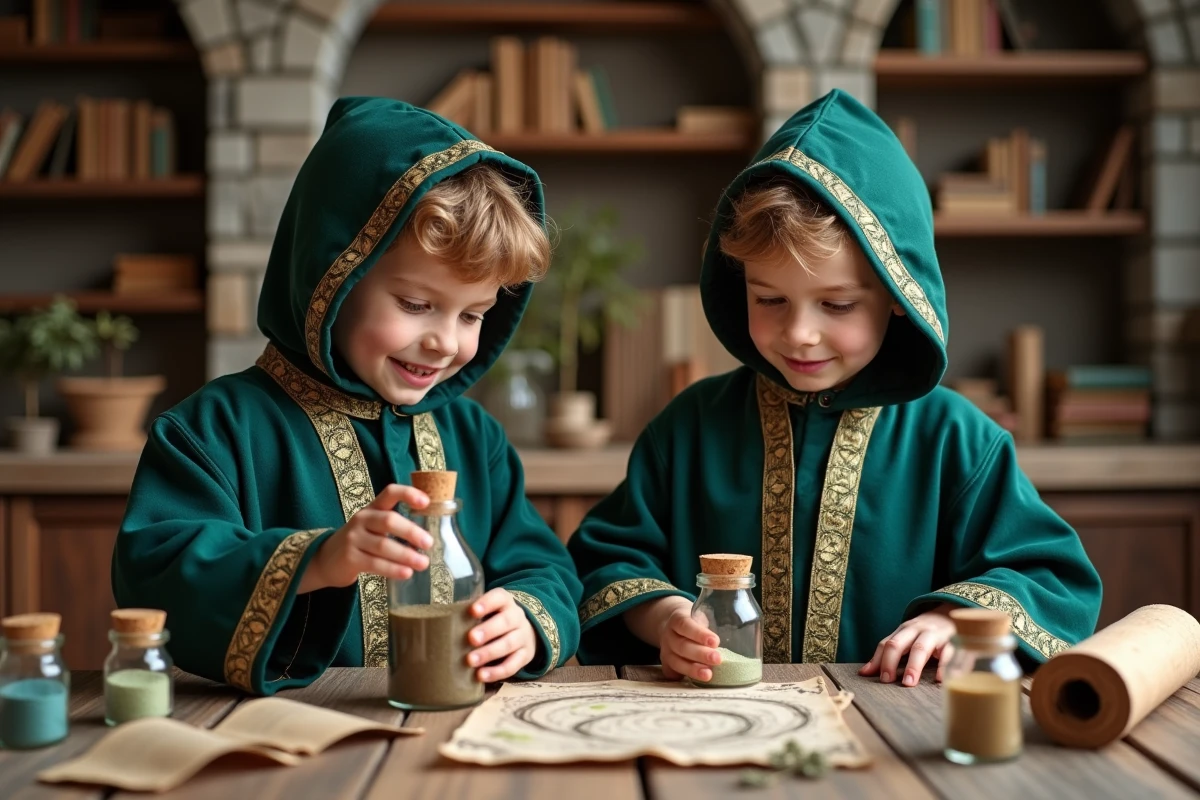
Several recent family board games explore the universe of wizards, sorcerers, and potions, with mechanics accessible from the age of six. These games are not just narrative supports: they structure a gaming session around cooperation, deduction, or the collection of magical resources.
We observe that these games serve as an ideal basis for supervised fairy workshops during birthdays or fairs. A cooperative magic tournament, for example, transforms a simple afternoon into a themed event without requiring heavy equipment. The game mechanics do the animation work.
The choice of the game must correspond to the targeted age group:
- For four to five-year-olds, prioritize games with minimal rules involving object manipulation (thick cards, tokens, fairy or unicorn figurines) and a short playtime.
- For six to eight-year-olds, board games with a magical quest storyline and cooperative mechanics work particularly well in groups.
- For nine years and older, role-playing games (little wizard, apprentice mage) with strategic decision-making maintain engagement during longer sessions.
The classic mistake is to choose a game that is too complex for the group. An overly ambitious fairy game in terms of rules kills immersion faster than a simple game well staged.
Magical creative kits: stencils, blown markers, and ready-to-use boxes
The rise of themed fairy creative kits has changed the game for children’s workshops. Today, boxes offer stencils (castles, dragons, princesses, ponies) paired with blown markers, allowing a child to create a complete fairy drawing without prior drawing skills.
These kits are designed for quick setup. An animator can set up a fairy creative workshop in less than ten minutes with such a box, making them particularly suitable for amusement parks, school parties, or home birthdays.
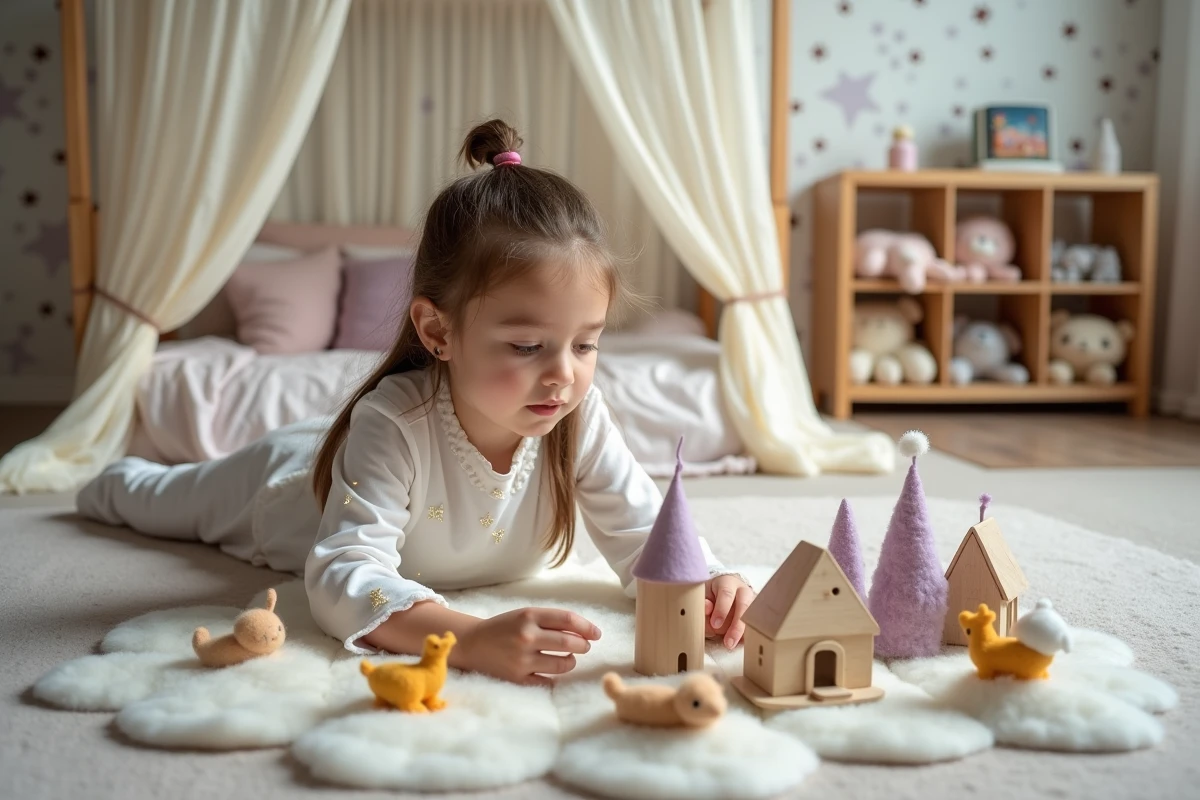
We recommend combining the creative kit with a narrative thread. Encouraging children to draw their own magical creature before integrating it into a collective story (improvised tale, mural fresco, ephemeral exhibition gallery) gives meaning to the activity. The tangible result, a drawing to take home, extends the fairy experience beyond the event.
The quality of the materials matters. Low-quality blown markers clog quickly, and overly thin stencils tear easily. Some brands specializing in creative toys offer ranges tested for intensive collective use, a criterion to check before equipping a recurring workshop.
Custom event animations: beyond the classic magic show
The demand for themed “magical world” animations for birthdays and fairs now exceeds the format of a magician alone on stage. The formats that work today incorporate active participation from the children.
- The fairy treasure hunt, with age-appropriate puzzles and immersive decor (clues hidden in “grimoires,” illustrated treasure maps), remains the most requested format for groups of eight children or more.
- The magic wand creation workshop (wood, ribbons, glitter, beads) combines hands-on activity and role-playing: each child makes their wand and then participates in a “spell class.”
- The little wizards’ school, a longer format, structures a complete half-day around several “classes” (potions with colorful mixtures, herbology with aromatic plants, simplified astronomy with projection).
The participatory format generates a significantly higher parent satisfaction rate compared to passive shows. Children leave with a crafted object, a memory of action, not just a spectator’s memory.
A technical point often underestimated: managing the number. Beyond a dozen children, a creative workshop or treasure hunt requires a second supervisor. Planning for this threshold avoids overflow that disrupts the fairy atmosphere. The magical universe for little dreamers relies as much on the quality of supervision as on the beauty of the decor.