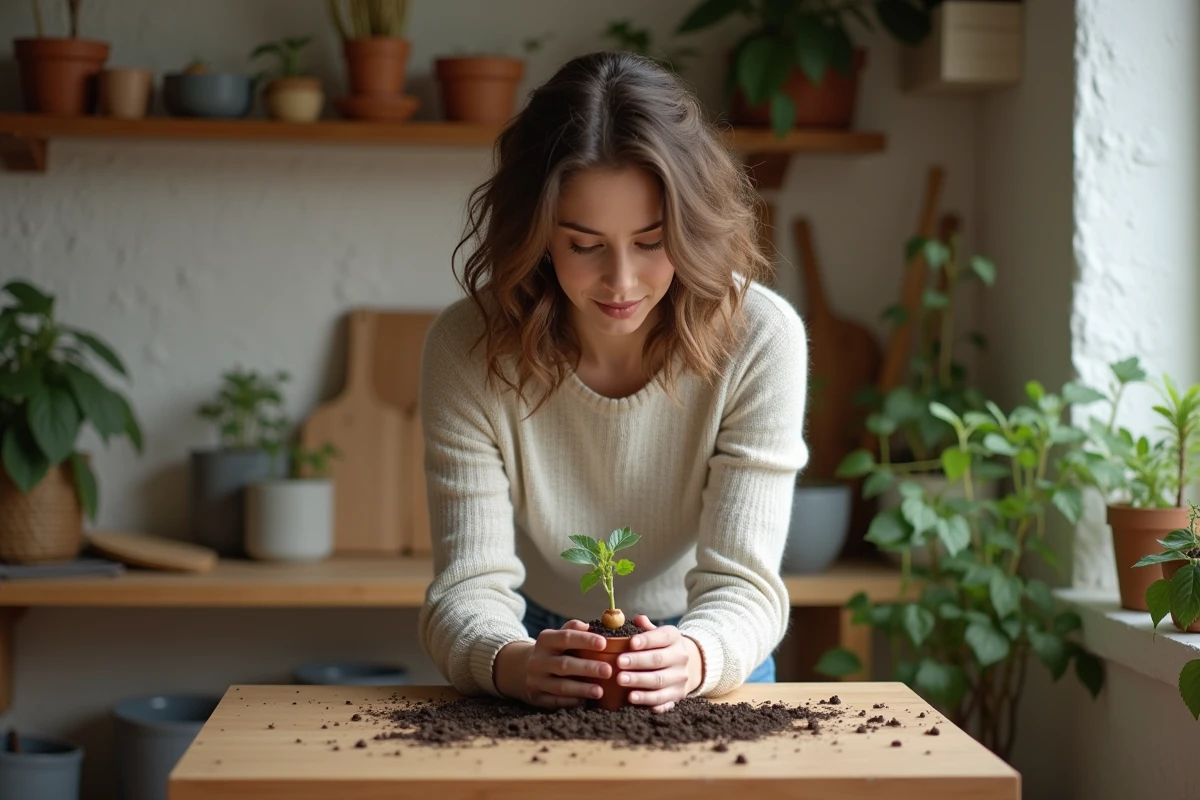
An acorn collected in the autumn does not always develop a root, even if the storage conditions seem ideal. Cold stratification, an essential practice to break dormancy, often fails if moisture is not precisely controlled. Oak varieties do not all respond the same way to home germination.
Some substrates promote mold rather than growth, turning the experience into an unexpected challenge. Yet, following a few specific steps allows one to transform a simple acorn into a young miniature oak, ready to evolve into a bonsai.
Why germinating an acorn at home can become a fascinating adventure
Under the unassuming surface of an oak acorn lies the wild potential of a centuries-old tree. Germinating an oak acorn means reconnecting with this cycle, witnessing the birth of an oak in the intimacy of the home. The act, simple in appearance, calls for patience, observation, and respect for a natural rhythm. The bonsai resulting from this process is not an ordinary tree: it embodies a fragment of forest, shaped by the hand and gaze of the gardener.
The art of bonsai, rooted in Japanese tradition, evokes the principles of zen: rigor, humility, and the pursuit of balance. This metamorphosis, from acorn to miniature tree, offers the opportunity to embrace this wisdom while weaving a special bond with the plant. Squirrels scatter the nuts, while gardeners choose, sow, and wait. Germinating an oak acorn then transcends a simple gesture: from a seed collected under a centennial tree, a project shaped by time and human hands begins to take form.
The oak, the discreet king of our forests, thus finds refuge on a windowsill or a balcony. From sowing to pruning, each step reveals the complexity of the plant and the patience required to create an authentic bonsai. To refine your method and explore all the steps of creating a bonsai from an oak acorn, the dedicated resource proves invaluable: germinating an oak acorn.
What are the secrets to successfully germinating an acorn step by step?
Germinating an oak acorn is not an improvised act. Here, everything matters: the gardener’s eye, the quality of the acorn, the precision of each step. Start by selecting a healthy acorn, free from mold or holes. Prefer those that have just fallen, a sign of vitality.
Stratification is essential. It awakens the dormant potential of the acorn. Place the acorns in a moist mixture of sand and soil, and put them in the vegetable drawer of the refrigerator, around 4 °C, for six to eight weeks. This cold treatment simulates winter, triggers germination, and promotes the success of the future seedling.
When the shell opens and the root begins to emerge, it is time to move on to the next step. Place the acorn in a well-draining substrate, made of soil, sand, and a hint of compost. Use a pot with drainage holes, lining the bottom with gravel for flawless drainage. The oak’s taproot grows quickly: a deep container supports its growth and prepares the ground for the future bonsai.
To ensure success, a few precautions are necessary:
- A fine mulch retains moisture and protects against temperature fluctuations.
- A chicken wire discourages overly ambitious squirrels.
- Mycorrhizae, these invisible fungi, stimulate root development.
- Water judiciously: the soil should remain moist but never waterlogged.
This journey, between observation and rigor, allows the acorn to reveal its full potential and become a unique young shoot.
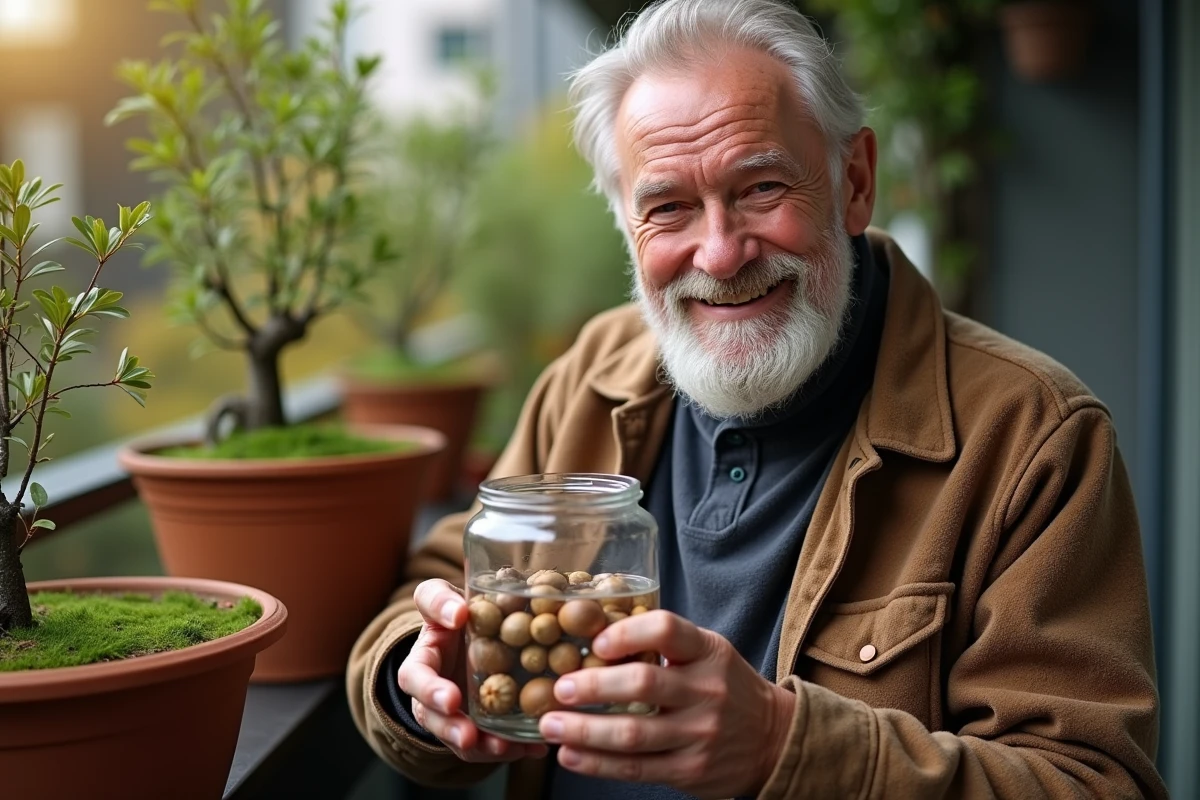
Tips for transforming your young oak into a unique and characterful bonsai
Shaping an oak bonsai requires method and consistency. As soon as the first leaves appear, the question of substrate arises: a mix of soil, sand, and compost supports the vitality of the young tree while avoiding excess moisture. Place it near a bright window, without direct exposure to the scorching midday sun.
Pruning shapes the future silhouette. Intervene early on the young shoots to outline the desired shape, but without forcing the nature of the oak. Wiring, a Japanese technique, guides the curve of the branches. A flexible wire, regular monitoring: the hand must remain light, and vigilance constant to avoid injuring the bark.
Watering must be controlled. Too much water, and the root suffocates; too little, and growth slows. Wait for the surface of the substrate to dry before each new watering. In spring, a gentle fertilizer supports growth without disrupting the oak’s natural rhythm.
Here is a visual summary of the key actions to remember at each step:
| Step | Key Advice |
|---|---|
| Pruning | Shape the structure from the first year |
| Wiring | Gently guide the branches |
| Substrate | Mix soil, sand, and compost |
| Watering | Wait for the soil to dry on the surface |
The bonsai, a legacy of Japan, demands patience and attention. The young oak sets its own pace: no shortcuts, no rush. Each action, from repotting to pruning, shapes a miniature tree that carries the memory of the forest and the patient work of man. An oak bonsai on a windowsill is a fragment of history within reach, a living challenge offered to time.