The small town of Sidjil, nestled in the heart of the mountains, is a fascinating example of the fusion between ancient customs and contemporary influences. Once isolated, this community has managed to preserve its rituals while gradually opening up to modern innovations.
Today, the residents of Sidjil still celebrate their traditional festivals, but with touches of modernity: electronic instruments accompany ancestral songs, and traditional clothing is adorned with new materials. This harmony between past and present attracts many visitors curious to discover how a culture can evolve while remaining true to its roots.
The origins and evolution of Sidjil
Sidjil origin dates back to the ancient Berber tribes, the Imazighen, who populated North Africa long before the arrival of Mediterranean civilizations. This region, wedged between the Atlas and the Sahara, has given birth to a rich and varied culture, symbolized by the Tifinagh alphabet and the Tamazight language. The Tarifite and Tachilhite dialects are still spoken variants today.
Massinissa, an iconic figure and Berber king, unified these tribes in the face of external threats. His reign laid the foundations of a common identity, exacerbated by the writings of the historian Ibn Khaldoun, who documented the culture and traditions of the Berbers. This documentation has helped preserve essential aspects of their history, despite external influences.
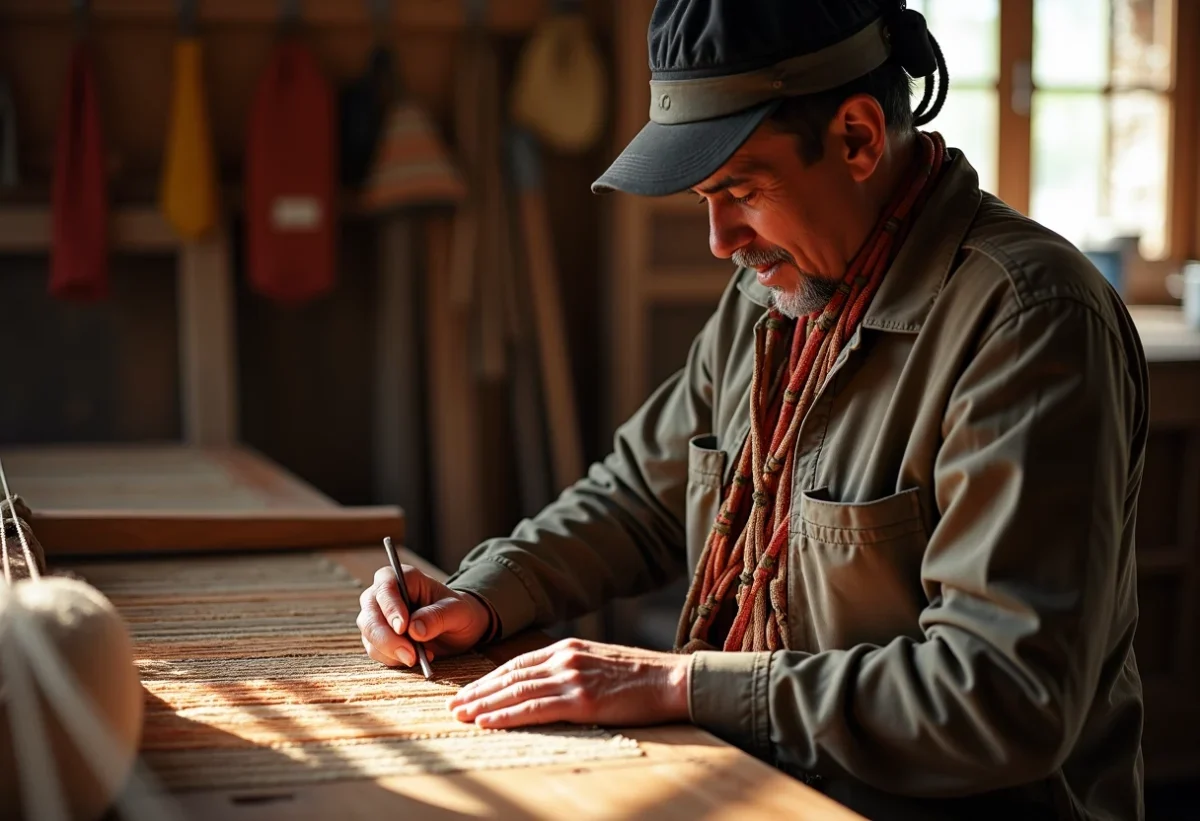
Sidjil’s origin is also marked by its artisanal creations. Famous for its ancestral practices fused with contemporary designs, Sidjil has become a recognized art center. This craftsmanship is manifested through everyday objects enhanced by techniques passed down from generation to generation.
The Tamazgha festival, celebrated annually, is a key moment for the residents of Sidjil. It highlights this rich Amazigh culture through dances, songs, and craft exhibitions. This festival serves as a bridge between the past and the present, showing how tradition can adapt to the demands of the modern world while remaining rooted in its heritage. 
Sidjil: a bridge between tradition and modernity
Sidjil, by its very nature, embodies this duality between tradition and modernity. Founded by Hayet, Sidjil Origine merges ancestral practices with contemporary designs. This approach is also supported by the brand Berberism, which promotes Amazigh culture through artisanal products.
The Berber Museum of Marrakech preserves and displays unique pieces from Sidjil, illustrating the richness of this millennial tradition. Among the exhibited objects are:
- Silver jewelry
- Handwoven carpets
- Pots adorned with complex geometric patterns
These objects are witnesses to a craftsmanship passed down through generations.
Sidjil’s role in preserving Amazigh heritage does not stop at museums. The Tamazgha festival, celebrated in Tiznit, is a major platform for highlighting these traditions while adapting them to the demands of the modern world. Artists like Kahina, an Amazigh tattoo artist known by the pseudonym Adasiya, showcase their works there, blending traditional techniques with contemporary influences.
The recognition of the Amazigh language in the 2011 Moroccan Constitution, promulgated by King Mohammed VI, has given new momentum to this culture. This official recognition has strengthened Amazigh identity and promoted initiatives like those of Sidjil.
Sidjil, as a bridge between tradition and modernity, plays a fundamental role in valuing this heritage. By combining ancient knowledge with current trends, it breathes new life into age-old practices while preserving their essence.