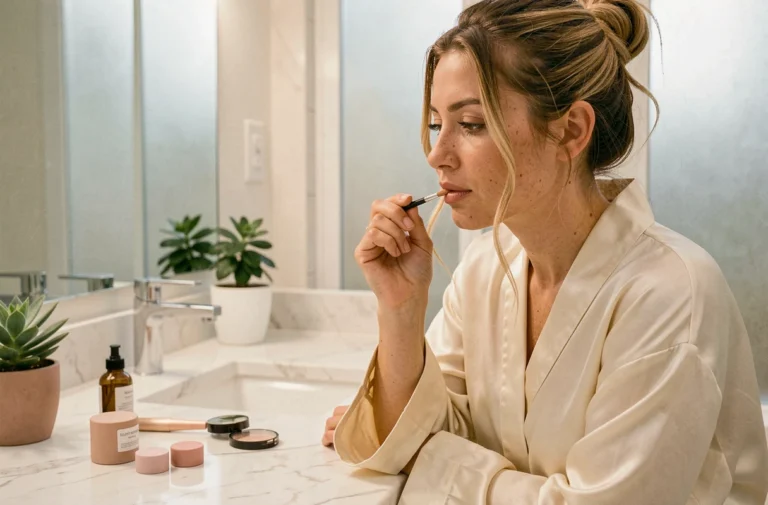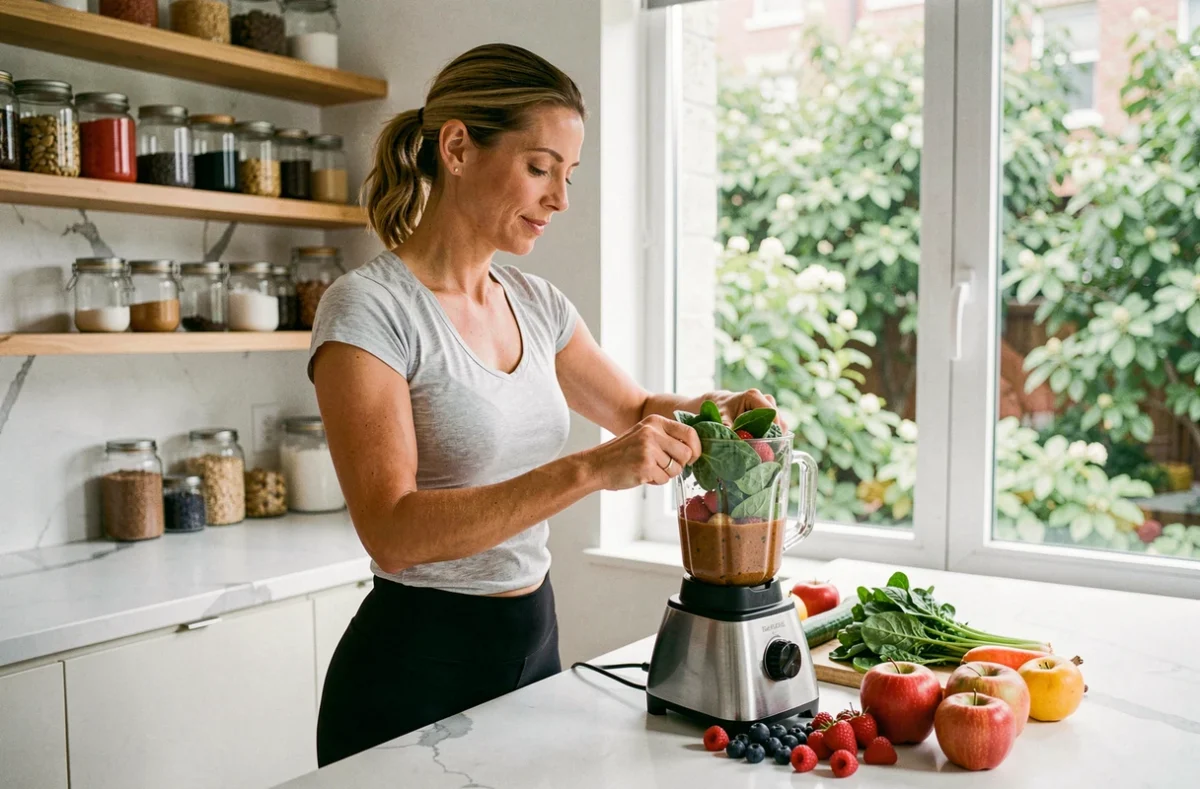
Your body sends signals constantly. A difficult wake-up, slow digestion, irritability that sets in for no apparent reason: these little discomforts often reflect daily habits that need adjusting. Taking care of your health on a daily basis doesn’t require a complete lifestyle overhaul, but rather identifying the concrete levers that make a difference over time.
Screens and Young Children: What the Regulations Have Changed
You may have already noticed how much a screen captures a toddler’s attention? Since the decree of June 27, 2025, early childhood care facilities can no longer expose children under three years old to screens. This is no longer just a parental recommendation: it is a regulatory obligation for daycare centers and childminders in collective settings.
This legislative framework is based on specific guidelines. For children, the issue is not just about limiting screen time. Current recommendations emphasize the context of use: adult supervision, content selection, no screens in the bedroom, and preserving sleep.
This nuanced approach requires going beyond the timer reflex. A child watching an educational video with a parent is not in the same situation as a child alone in front of a tablet for an hour. The resources available on sante-net.net allow for a deeper understanding of these distinctions and finding appropriate guidelines for each age group.
Vaccination After 65: Expanded Recommendations to Know
Prevention is not just about diet and exercise. Vaccines against shingles and pneumococcal infections are now recommended for all individuals aged 65 and older, according to Santé publique France. These two infections particularly affect seniors and can lead to serious complications.
Shingles, for example, can cause nerve pain that sometimes persists for months. Vaccination significantly reduces this risk. Pneumococcus, on the other hand, remains a common cause of pneumonia in older adults.
Pregnant Women and Infant Protection
For pregnant women, vaccination against whooping cough and RSV is progressing. The goal is straightforward: to pass antibodies to the baby before birth, to protect them during their first months of life when they are most vulnerable.
The vaccination coverage of pregnant women against whooping cough and RSV is increasing compared to previous years. This trend shows that information is circulating better among healthcare professionals and patients.
Adolescents: A More Comprehensive Vaccination Schedule
Vaccination recommendations for adolescents have also been expanded. This stage of life remains a blind spot in prevention: between pediatric consultations in childhood and medical follow-up in adulthood, many boosters fall through the cracks.
A check-in with the primary care physician at the start of middle or high school allows for verification that the vaccination record is up to date.
Physical Activity and Mental Health: An Underestimated Link
Moving protects the heart and joints, that’s well known. What is less recognized is the direct effect of physical activity on stress, anxiety, and sleep quality. Regular exercise impacts mental health as much as physical fitness.
No need to run a marathon. A brisk thirty-minute walk, some stretching in the morning, a bike ride: these cumulative actions produce measurable effects on mood and concentration.
- Regularity matters more than intensity: three moderate sessions a week are better than a violent effort on Sunday
- Combining movement with a pleasant moment (a walk with a friend, a podcast during the walk) helps maintain the habit over time
- Sleep improves when physical activity occurs at least three hours before bedtime, allowing the body to cool down

Diet and Chronic Disease Prevention: Key Guidelines
Eating balanced meals is advice everyone knows. But which food choices have a real impact on preventing chronic diseases like diabetes or cardiovascular conditions?
Prioritizing minimally processed foods remains the most effective lever. A dish cooked from raw ingredients (fresh vegetables, legumes, whole grains) contains less salt, added sugar, and additives than an industrial dish, even if labeled “balanced”.
Hydration and Sleep: Two Overlooked Pillars
Hydration plays a direct role in concentration, digestion, and regulating body temperature. Thirst is not always a reliable indicator, especially in older adults. Keeping a visible water bottle on the desk or table remains the simplest gesture.
Sleep, in turn, conditions almost everything else. Insufficient sleep increases the risk of weight gain, irritability, and decreased immunity. A few guidelines help improve its quality:
- Maintain regular bedtimes and wake times, including on weekends
- Avoid screens in the last hour before bed, as blue light delays melatonin production
- Keep the bedroom cool and dark, two conditions that promote falling asleep
Daily Stress Management: Concrete Tips
Chronic stress is not just a simple discomfort. It affects the immune system, disrupts sleep, and promotes compensatory behaviors (snacking, smoking, alcohol). Identifying your stress triggers is the first step to taking action.
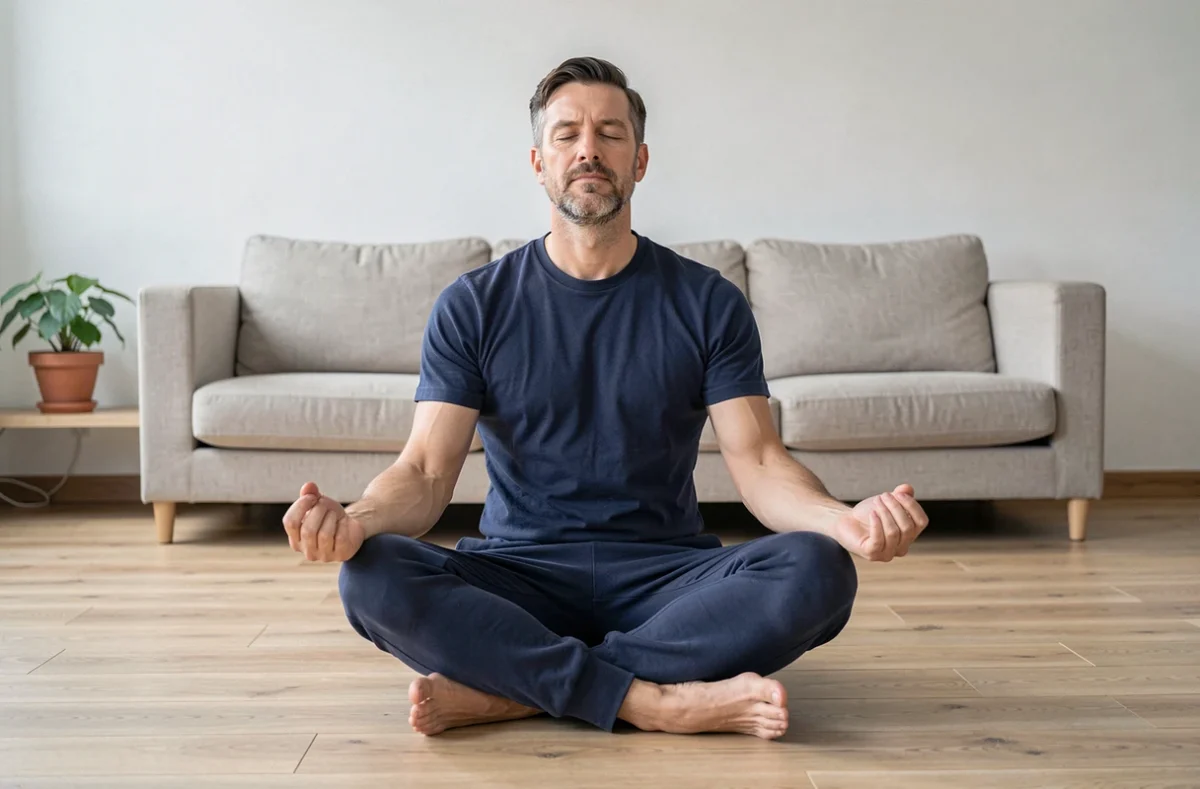
Some techniques require neither equipment nor training. Abdominal breathing (slowly inhaling through the nose while expanding the belly, exhaling through the mouth) activates the parasympathetic nervous system in a few minutes. Practiced two to three times a day, it reduces accumulated tension.
Limiting tobacco and alcohol consumption also contributes to this regulation. These substances provide an immediate sense of relaxation but increase underlying anxiety in the medium term. Services like Tabac Info Service offer tailored support tools for each profile.
Daily health is built through modest, repeated adjustments. An up-to-date vaccine, a homemade meal, a walk after lunch: every action counts, as long as it lasts.