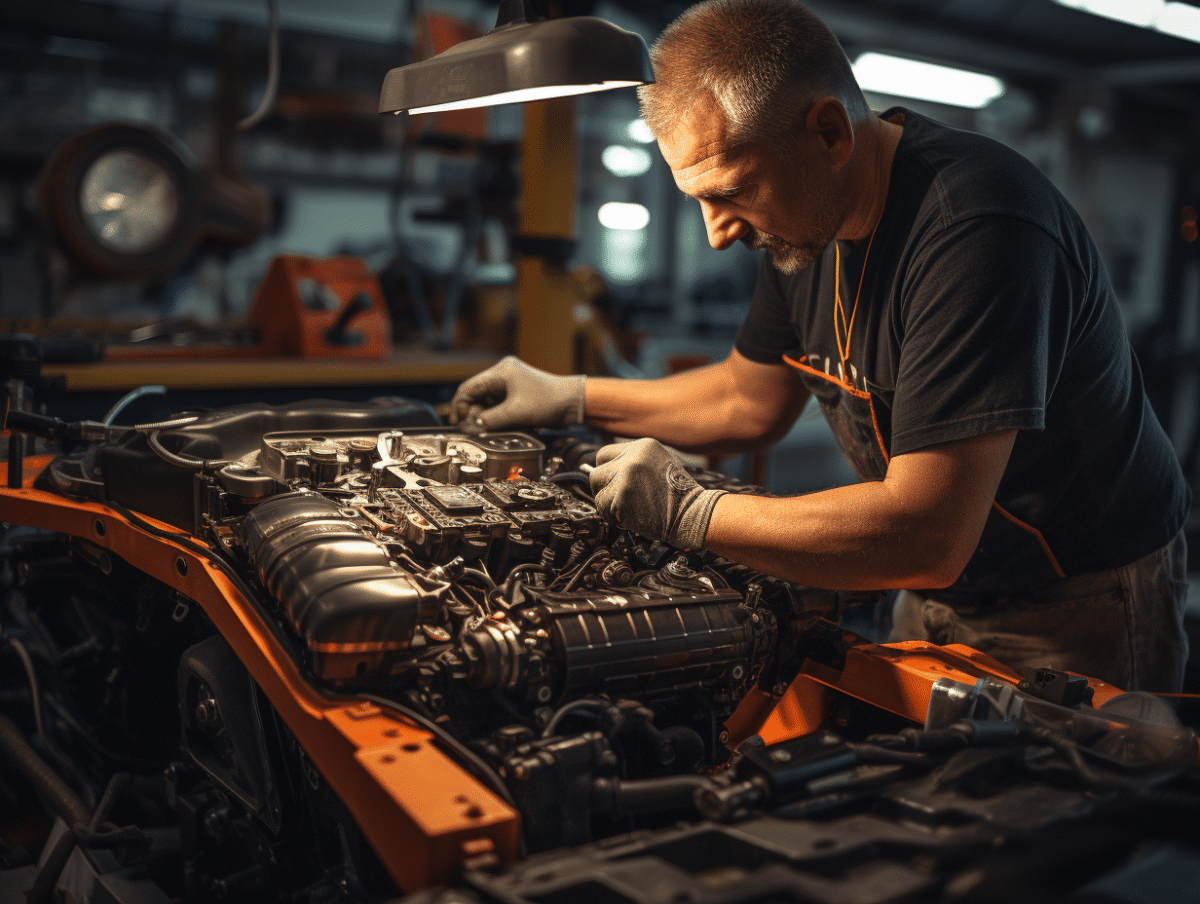
The security of a vehicle greatly depends on its centralized locking system, which provides protection against intrusions and facilitates access for the driver. Over time and with use, this system may exhibit failures. Proper maintenance and timely repairs are essential to maintain its proper functioning. Vehicle owners should be attentive to signs of malfunction, such as doors that no longer respond to the remote control or locks that operate inconsistently. Knowing the essential steps for the maintenance and repair of this complex device is fundamental for any driver concerned about their safety and that of their vehicle.
Diagnosis and Identification of Central Locking Problems
Diagnosing a problem within a vehicle’s centralized locking system begins with examining the obvious symptoms. Stuck doors or erratic operation may indicate a malfunction at the heart of this device. Consider that every component, from the inertia switch, which ensures the automatic unlocking of the doors, to the fuses, which may be blown due to overheating or a short circuit, can be the source of the problem.
When the centralized locking system is defective, a thorough analysis is required. Take into account the role of the inertia switch and the circuit breaker, the latter having the function of cutting off power to prevent any risk of overheating. Checking these elements will help you pinpoint the source of the malfunction and take appropriate corrective actions.
If a replacement is necessary, the repair or replacement of components can often be done using standard tools, such as a punch or a screwdriver. However, the complexity of the system may require the use of a specific lubricant or a torque wrench, or even a detailed repair manual to follow the specific steps required for the faulty locking mechanism.
For those facing the loss or malfunction of a transmitter, replacing a centralized car key may sometimes be necessary. This process, although technical, can be carried out either by a professional or by oneself by carefully following the owner’s manual. Repair or replacement costs vary depending on the nature of the failure and the availability of spare parts, which can be ordered online or obtained from an authorized dealer.
Practical Guide for Repair and Maintenance of the Centralized Locking System
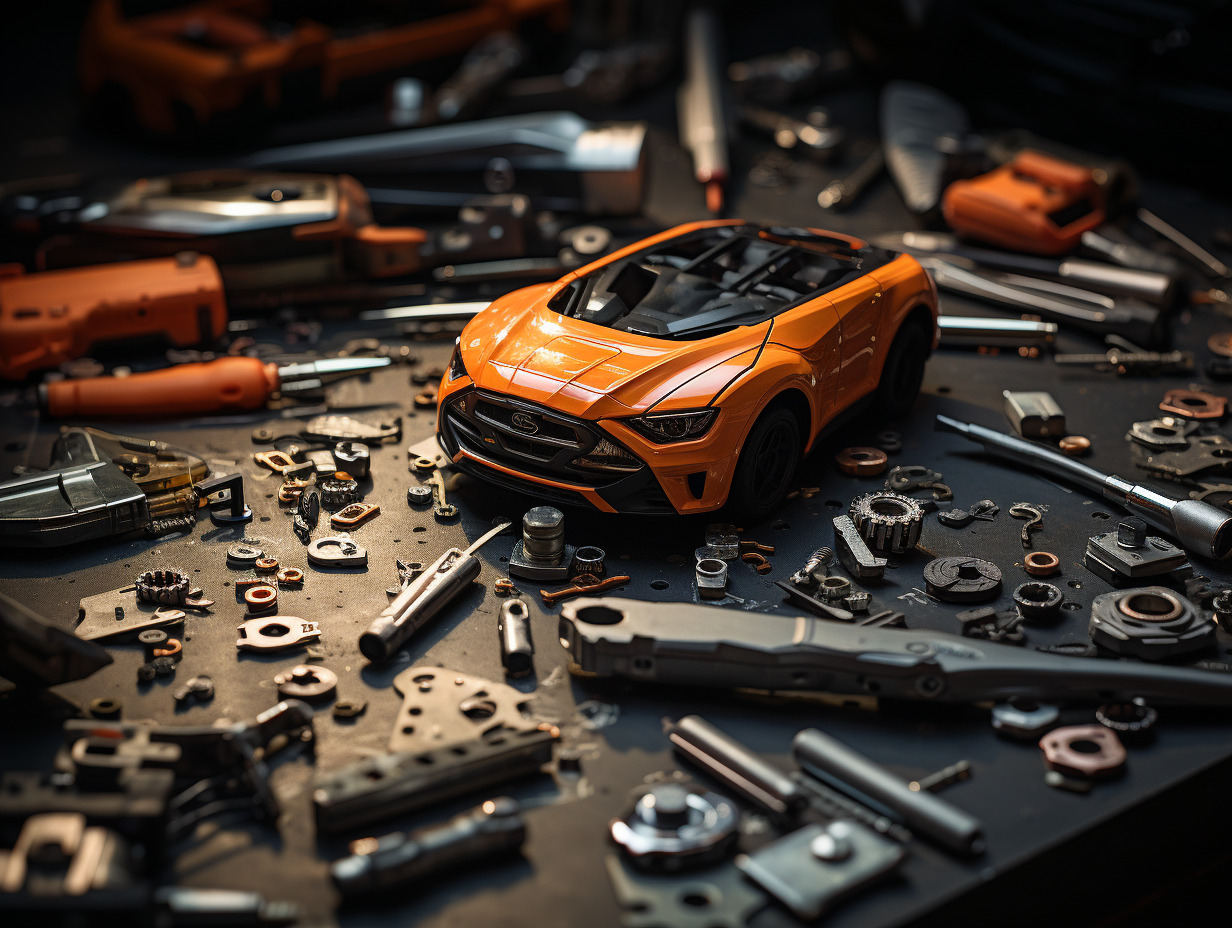
The repair and maintenance of a centralized locking system require a range of specific tools and equipment. The punch, torque wrench, screwdriver, and lubricant make up the basic toolkit for successfully completing this task. Do not overlook the key role of the repair manual, which, like a beacon in the night, will guide you through the technical intricacies of locking systems.
The repair steps follow a detailed protocol, varying according to the model and brand of your vehicle. The replacement procedure for defective components, as outlined in the owner’s manual, must be applied rigorously to avoid any imbalance in the locking mechanism. Precision is your companion on this technical journey where every action matters.
As for the repair costs, they fluctuate depending on the complexity of the failure. Spare parts, which you can obtain from online suppliers, often represent a significant portion of the investment. For skilled DIYers, the installation of a centralized locking mechanism is possible with a mounting kit, allowing for cost control while ensuring complete satisfaction with the completed work.