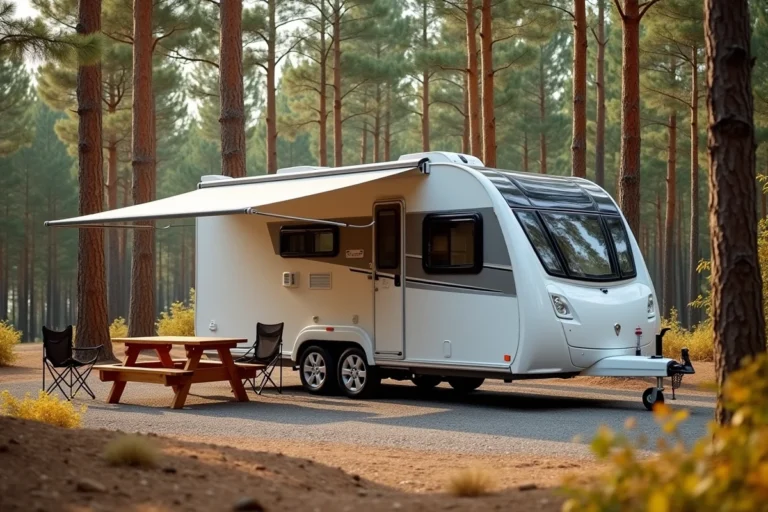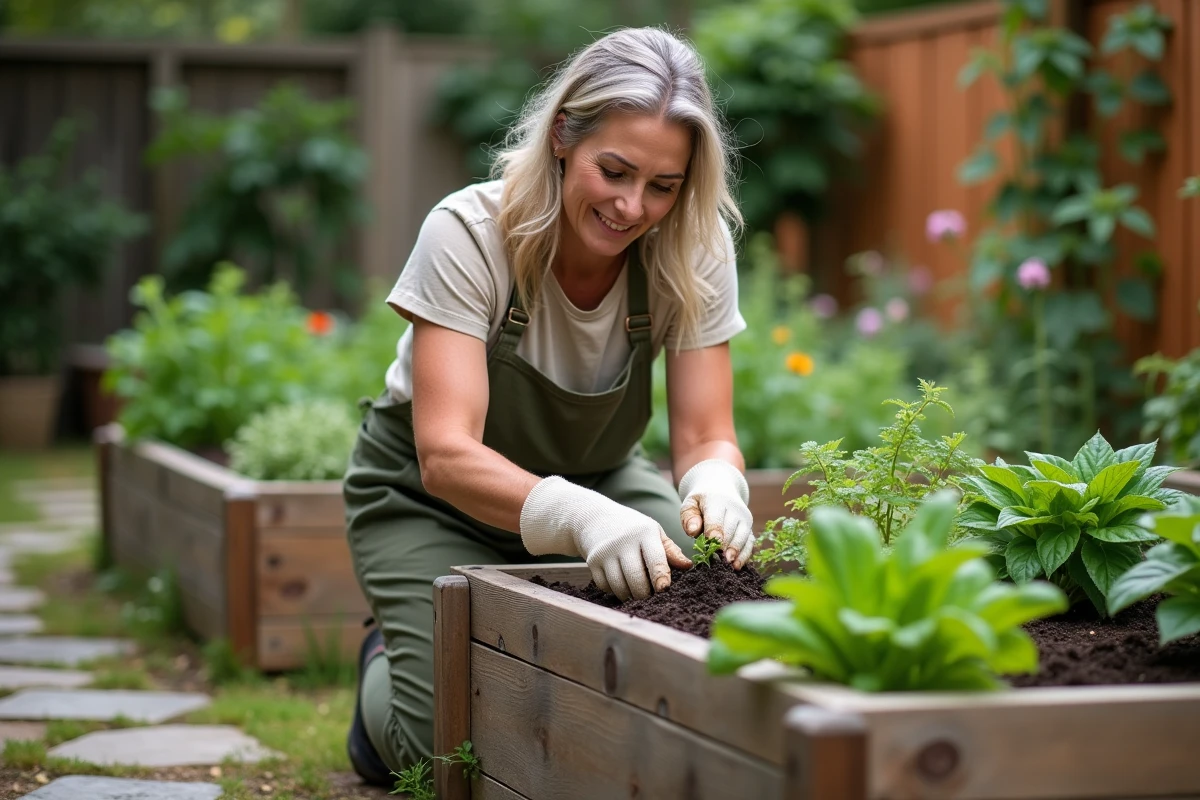
Transforming a garden into a lush haven of peace requires assessing what works according to the layout of the land. Available space, exposure, soil type, regulatory constraints in co-ownership: each parameter guides the choices of plantings, furniture, and layout. Comparing options before acting avoids costly mistakes and premature removals.
Hydroponic vertical garden or traditional bed: what the data shows
The choice between a vertical garden and a classic bed primarily depends on the ground area and water resources. The two approaches do not meet the same constraints, and their performances differ across several measurable criteria.
| Criterion | Hydroponic vertical garden | Traditional bed |
|---|---|---|
| Required ground area | Less than one square meter per module | Several square meters minimum |
| Water consumption | Reduction of about 30% compared to the bed (source: INRAE study, January 2026) | Classic watering, losses due to evaporation |
| Maintenance | Regular monitoring of the nutrient circuit | Weeding, mulching, soil amendment |
| Urban adaptability | Balconies, walls, narrow patios | Requires ground-level land |
| Aesthetics | Structured green wall, contemporary look | Natural volume, seasonal blooms |
For a small urban space or a co-owned patio, the hydroponic vertical system offers superior yields in nutrients and water. The traditional bed remains appealing on an open plot where the soil allows for deep rooting and richer biodiversity.
Resources like envies-de-jardin.com allow you to explore ranges of structures suited to each configuration, from green walls to relaxation furniture.
Garden layout in co-ownership: the constraints that change everything
In co-ownership, the internal regulations often limit the height of plantings, prohibit permanently fixed structures, and impose reversible materials. These constraints are not trivial: they condition the entire layout project.
Tall plantings and co-ownership regulations
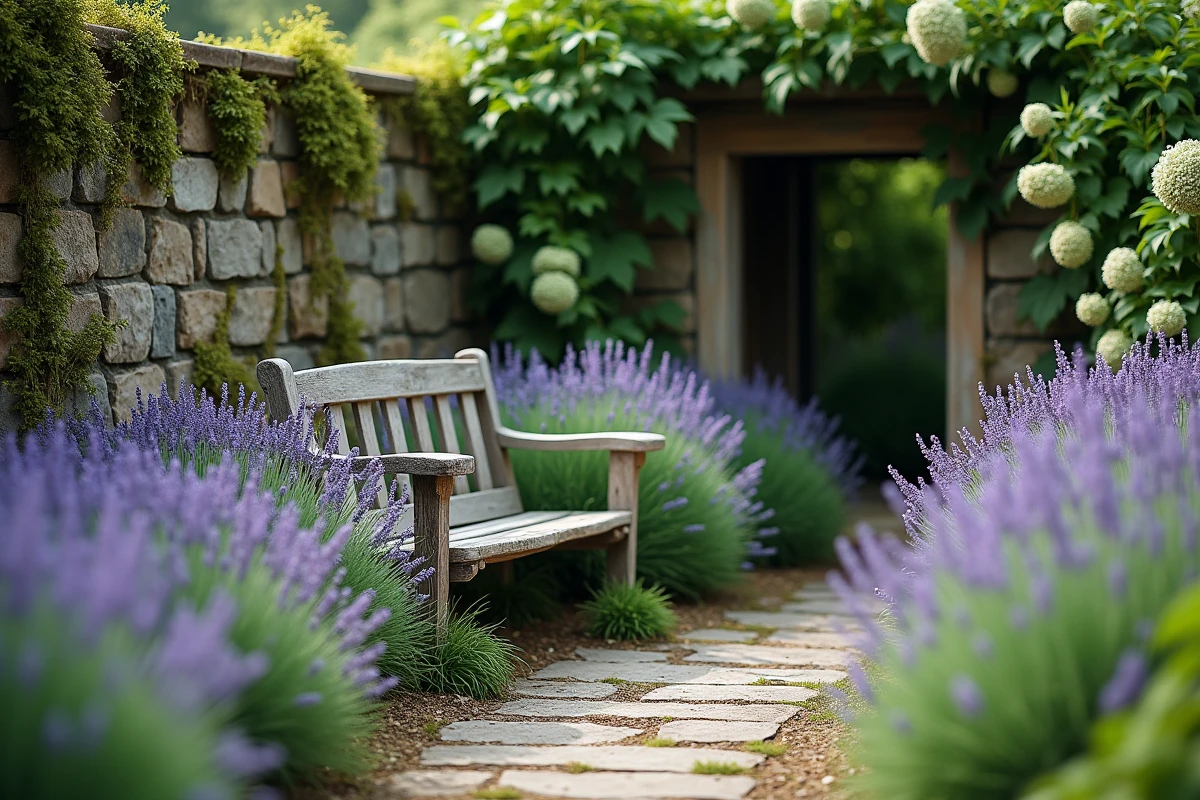
Hedges and trees exceeding a certain height generally require a vote in the general assembly. Low shrubs and grasses remain safe bets for greening without triggering disputes. Lavender, rosemary, heucheras, or carex adapt well to containers placed on a shared terrace or patio.
Mobile structures rather than permanent ones
Fixed pergolas, hard walls, and buried ponds are frequently rejected by property managers. In contrast, removable trellises, wheeled planters, and shade sails secured by clamps do not alter the building.
- Composite wood planters on legs allow for raised beds without piercing the ground and can be moved in case of collective work.
- Loose wooden screens serve as privacy barriers while remaining compliant with reversibility requirements.
- Solar string lights and lanterns replace recessed lighting, often prohibited in common areas.
Total reversibility of the layout is the cardinal rule in co-ownership. Each element must be removable without leaving a trace on the building or common ground.

Relaxation furniture and materials: what lasts, what doesn’t
Garden furniture is subjected to UV rays, moisture, and wind. The choice of material determines the lifespan of the relaxation space as much as its aesthetics.
Raw wood (pine, acacia) ages well in sheltered areas but quickly turns gray without treatment near the sea or in full southern exposure. Synthetic woven rattan withstands the elements better than natural rattan, which deforms under prolonged moisture.
In coastal regions, hammocks experience accelerated aging due to salt-laden winds. Compiled feedback on the Jardiniers de France forum (February 2026) reports frequent breakages in attachments on models suspended between trees. Suspended benches made of woven rattan offer a more durable alternative in these conditions.
Treated aluminum and composite wood are among the most stable materials for an exposed outdoor space. They require only seasonal cleaning, compared to annual treatment for non-autoclaved solid wood.
Minimal maintenance for a sustainable green space
A garden designed as a haven of peace should not require hours of maintenance each week. The choice of plants and flooring determines the long-term workload.
- Persistent ground covers (thyme, pachysandra, dwarf ivy) reduce weeding by densely occupying the ground.
- Mineral mulching (gravel, pumice) limits evaporation and slows the regrowth of weeds, with renewal every two to three years.
- Programmable drip irrigation systems consume less water than manual watering and precisely cover each planted area.
A low-maintenance garden relies on the choice of plants suited to the local climate, not on miracle products. Local and Mediterranean species tolerate summer drought better and require fewer interventions than imported horticultural varieties.
The most discriminating criterion for transforming an outdoor space into a relaxation area remains the compatibility between the project and the actual constraints of the land. Area, exposure, co-ownership regulations, material resistance to climate: these data, measured in advance, determine the longevity of the layout far more than the initial budget.