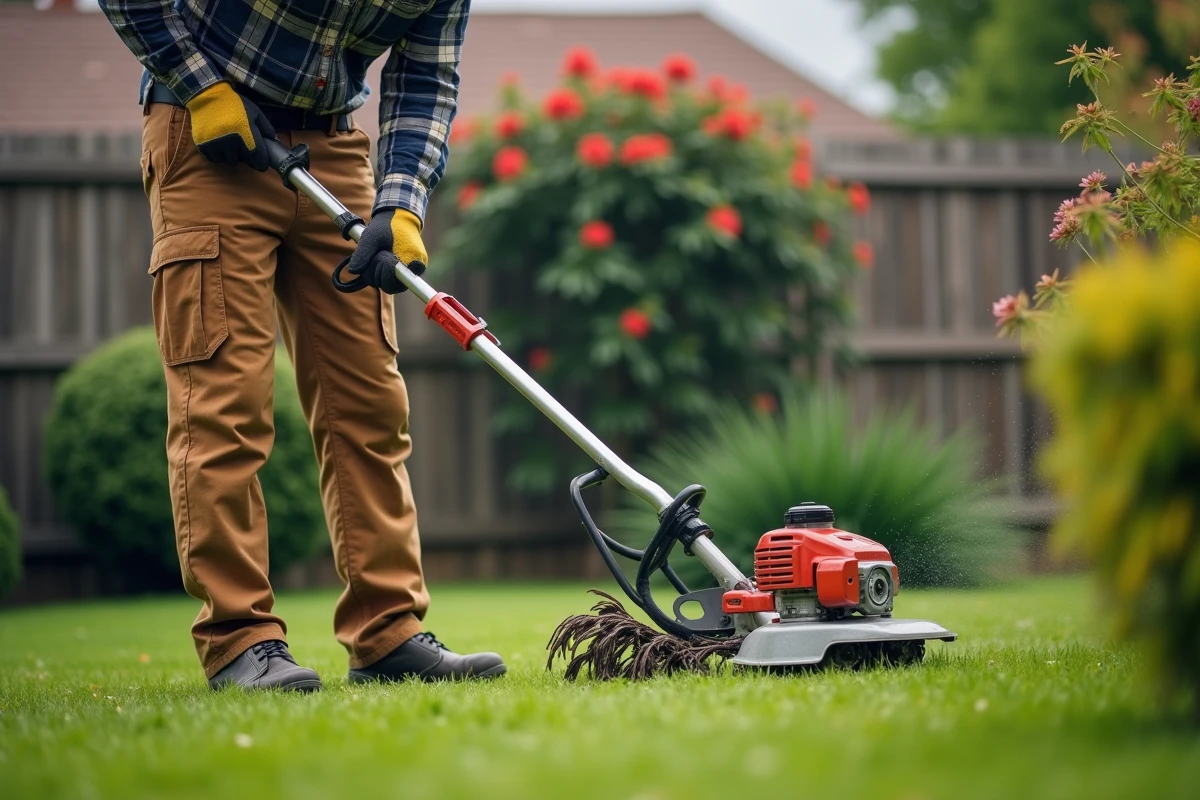
A thermal engine can handle tall grass and brambles, but requires regular maintenance and generates more noise. An electric brush cutter reduces pollution and weight, but quickly struggles in dense terrain. The battery life varies widely depending on the brand, with no direct correlation to the purchase price. Some corded models require an extension cord, complicating use over large areas. Local regulations sometimes restrict the use of thermal machines to certain time slots. Navigating these constraints involves prioritizing your needs before making a choice.
Thermal or electric: what are the differences for garden maintenance?
The duel between thermal engine and electric is not just a matter of preference. Choosing one or the other shapes the way you approach garden maintenance. The thermal model impresses with its power: it cuts effortlessly through thick brambles, dense undergrowth, and tall grass. But this strength comes with requirements: frequent maintenance, fuel mixture management, filter checks, and regular oil changes. Noise is always nearby, just like the freedom to go anywhere, even far from an electrical outlet.
On the other hand, the electric engine presents compelling arguments. Lighter and much quieter, it appeals to those who value simplicity and ease of use for occasional or finishing work on modest areas. Battery models offer true mobility, but their autonomy varies greatly by brand. During long sessions, the battery can quickly show its limits. The corded version, on the other hand, requires staying close to a power source: ideal for constant cutting, but less so for covering large spaces.
Here is a table to visualize the main differences:
| Criterion | Thermal | Electric (corded/battery) |
|---|---|---|
| Power | High | Medium to low |
| Maintenance | Regular | Reduced |
| Autonomy | Unlimited (full tank) | Limited (battery), continuous (corded) |
| Noise | Loud | Low |
For more details, the site debroussailleuse-warrior.com offers a detailed comparison of models, along with practical advice and numerous user feedback. Adapting power to the area, choosing mobility or comfort, everything hinges on the balance between these parameters. The right compromise is not universal: it will depend primarily on your reality on the ground.
Advantages and limitations of each type of brush cutter according to your needs
The brush cutter should not be chosen randomly: it must meet the configuration of your garden and the intensity of the work required. Each type of device has its strengths, but also its limitations. Here are the main models to consider and what characterizes them:
- The string trimmer (also called a rotofil) is invaluable for small spaces and delicate finishing. Light and precise, it excels on soft grass, but quickly becomes overwhelmed if the vegetation thickens.
- The portable brush cutter, whether thermal or electric, offers a good compromise for medium-sized areas. It combines power and maneuverability, ideal for regular maintenance without too many constraints.
- The backpack brush cutter is essential on rugged or sloped terrain. The engine, worn on the back, lightens the effort and allows access to difficult corners without straining the arms.
- For large flat areas, the wheeled brush cutter (or towed) is designed for efficiency. It moves quickly, covering square meters, but loses maneuverability on steep or cluttered terrain.
- Finally, the self-propelled brush cutter transforms the maintenance of a very large garden into true driving. Ideal on flat surfaces, it shows its limits as soon as the terrain becomes technical or littered with obstacles.
The choice of the cutting head fine-tunes the effectiveness of each device. A string is suitable for finishing, a blade will tackle thick grass, while a saw blade is necessary for brambles and dense undergrowth. Observing the nature and density of your terrain gives your tool the best chance of being effective while preserving your energy.
How to find the ideal model for your terrain and budget?
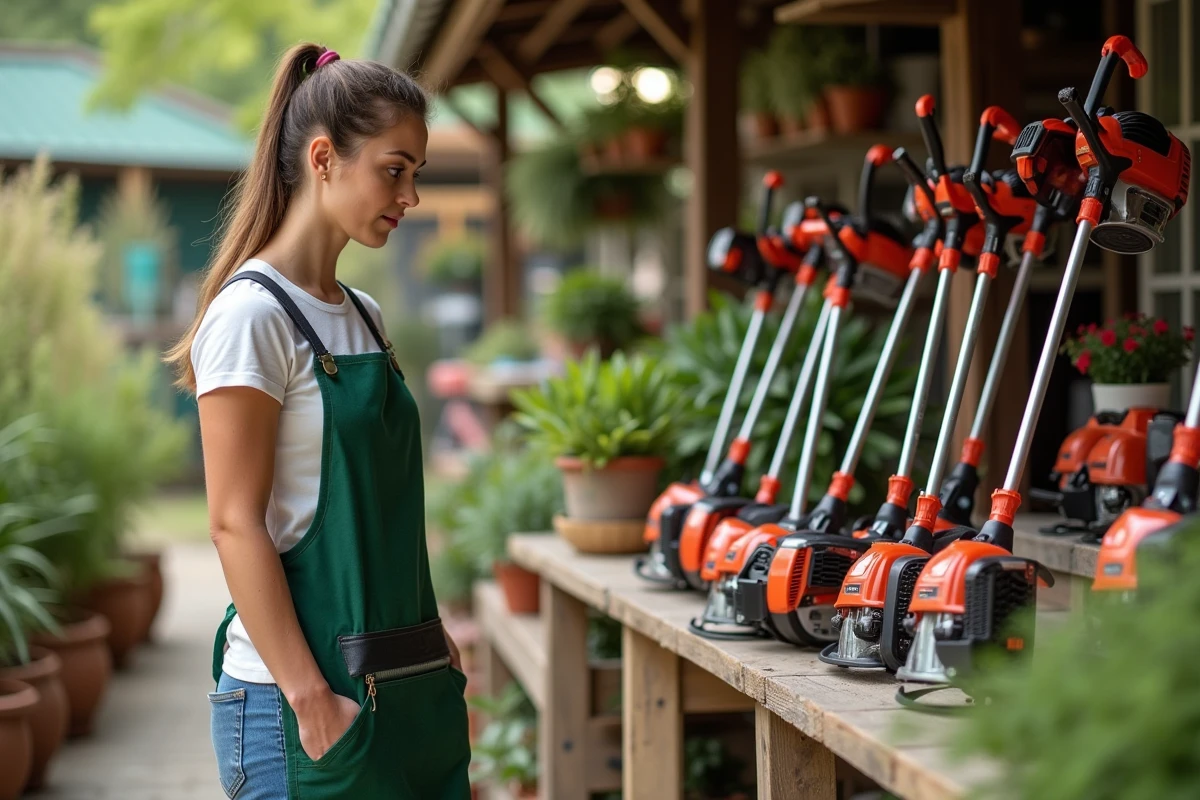
To choose a suitable brush cutter, you must first examine your terrain closely. Area, relief, access, density of vegetation: every detail matters. If the plot does not exceed a few hundred square meters, a portable model will suffice. Beyond that, it is better to opt for a backpack or wheeled model, capable of handling long sessions without faltering.
Comfort is not just a matter of accessories, but it can make all the difference. A well-designed harness distributes weight, limits fatigue, and secures use. An ergonomic handle facilitates repetitive movements, especially when it comes to sweeping large areas. Don’t overlook the guard, essential for preventing debris projection, nor the drive shaft, which ensures long-term reliability. These elements are not trivial: they condition the longevity and safety of the whole.
In several regions, regulations require brush clearing to limit fire risks. Check with your town hall: the constraint can become a priority. To adjust usage according to the season or task, interchangeable accessories (string heads, blades, knives) allow you to adapt the tool without having to buy a new one for each need. Finally, budgeting doesn’t stop at the purchase price: maintenance, availability of parts, and ease of upkeep make a difference over several years.
Every garden has its brush cutter, and every season has its demands. The tool chosen today will draw the line between a chore and true pleasure in maintaining your green space.